







Key Takeaways
- There is no need to lock in a specialty in high school. These years are for exploring what medicine actually feels like, not committing to a single path.
- What draws most doctors to their specialty is fit. Graduating medical students point to personality, interests, and skills far more often than salary or hours.
- The field is wide open, with 38 specialties and 89 subspecialties recognized by the American Board of Medical Specialties.
- You will not formally choose a specialty until medical school, so anything you explore now is pure upside.
- Spending a week inside one specialty at Outset, guided by practicing physicians, is one of the clearest ways to find out whether it fits.
You do not have to choose a medical specialty in high school. This is the time to explore fields and discover what fits, and you do not formally choose until medical school.
Many students interested in medicine start considering specialties early, but the vast options can feel overwhelming. While you don't need to decide now, high school is a great time to explore different fields.
Graduating medical students say personality, interests, and skills influence specialty choice more than work-life balance or income. Understanding this fit starts early, and it is worth knowing the American Board of Medical Specialties recognizes 38 specialties and 89 subspecialties, so there is plenty of room to find your place. Keep in mind that choosing a specialty is a process that plays out over years of medical school rotations, not a single decision. Almost nobody locks it in on day one, and in our experience the students who end up happiest are the ones who stay curious and keep comparing fit rather than committing early and stopping there.
By researching, shadowing, and gaining hands-on experience, you can explore medical careers before applying to medical school. This guide will help you navigate ways to discover various specialties in high school, giving you a head start on making informed career decisions.
What are the most common medical specialties to explore?
The most common specialties to explore include pediatrics, surgery, psychiatry, emergency medicine, internal medicine, family medicine, OB/GYN, orthopedics, and cardiology.
Medicine is a vast field with numerous specialties, each requiring different skills and interests. Below are some of the most common specialties to consider.
Pediatrics
Pediatricians specialize in children's health, treating everything from minor illnesses to chronic diseases. This field requires strong communication skills to connect with young patients and their families. If you enjoy working with children and have patience and empathy, pediatrics offers a fulfilling career watching patients grow while ensuring their long-term well-being.
Surgery
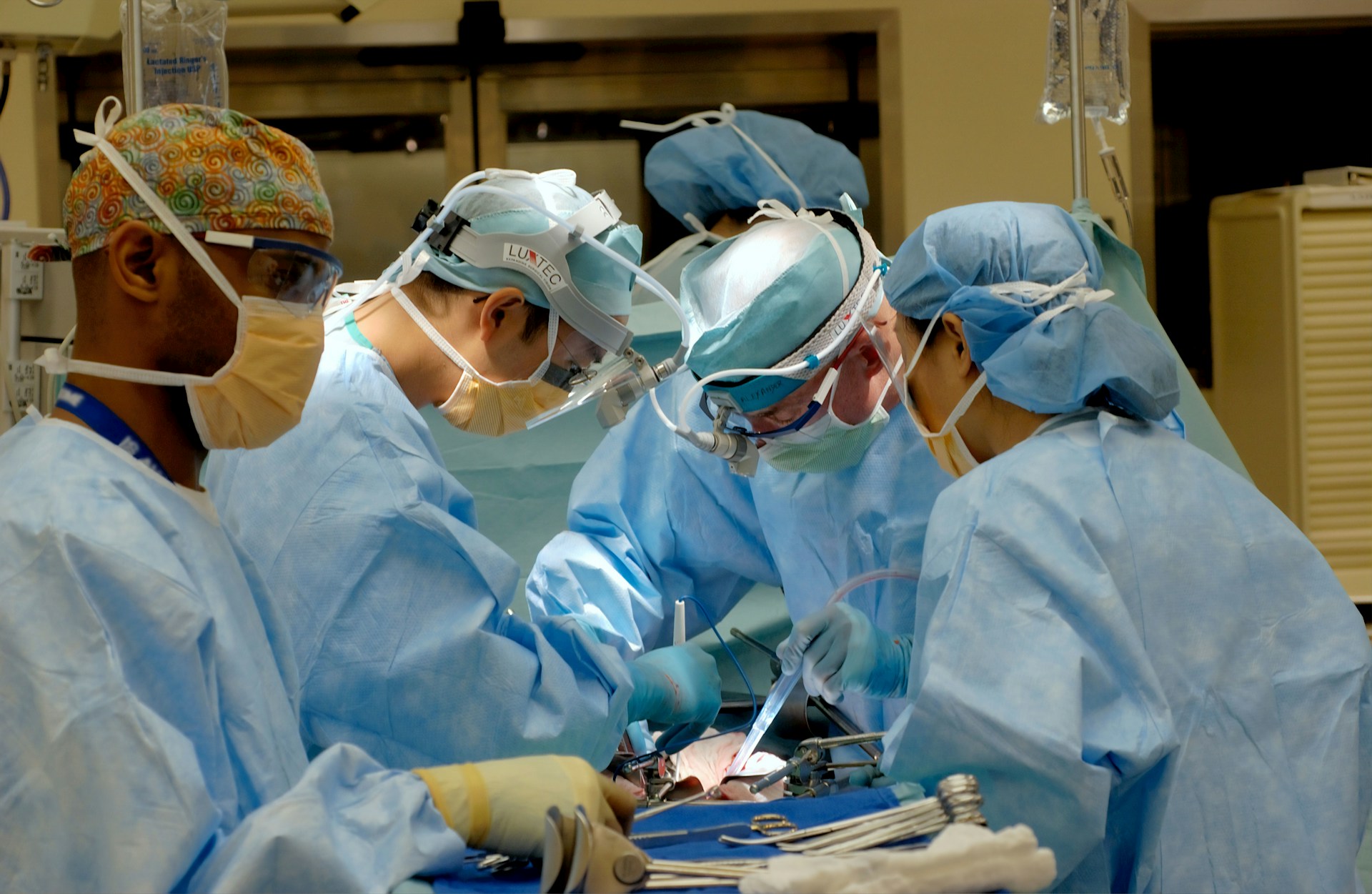
Surgeons perform life-changing procedures requiring precision, problem-solving, and composure under pressure. With various subspecialties like neurosurgery and orthopedic surgery, this field demands strong manual dexterity and quick decision-making. While training is rigorous, many surgeons find immense satisfaction in seeing immediate, tangible results that dramatically improve patients' lives.
Psychiatry
Psychiatrists diagnose and treat mental health disorders, combining medical knowledge with psychological understanding. This specialty requires excellent listening skills, empathy, and trust-building with patients. Using therapy and medication, psychiatrists help individuals manage conditions like anxiety and schizophrenia, making a profound impact on their quality of life and daily functioning.
Emergency Medicine
ER doctors thrive in high-pressure environments, treating acute injuries and illnesses requiring immediate attention. This specialty demands broad medical knowledge, quick decision-making, and the ability to stay calm under stress. The shift-based schedule offers work-life flexibility, while the fast-paced setting provides constant variety and the chance to save lives daily.
Internal Medicine
Internists treat adult patients with complex conditions, focusing on diagnosis, prevention, and disease management. This specialty is ideal for problem-solvers who enjoy long-term patient relationships. Whether in primary care or subspecialties like cardiology and oncology, internists coordinate care and manage chronic illnesses using comprehensive medical knowledge.
Family Medicine
Family physicians provide lifelong care for patients of all ages, addressing a wide range of conditions. This specialty emphasizes preventive care and chronic disease management. Family doctors develop strong relationships with patients, often treating multiple generations, making it a fulfilling career for those who enjoy continuity of care.
OB/GYN (Obstetrics and Gynecology)
OB/GYNs specialize in women's health, covering pregnancy, childbirth, and reproductive care. This field blends primary and surgical care, offering opportunities to guide patients through major life events. Strong surgical skills and excellent communication are essential for performing procedures and discussing sensitive health topics with patients.
Orthopedics
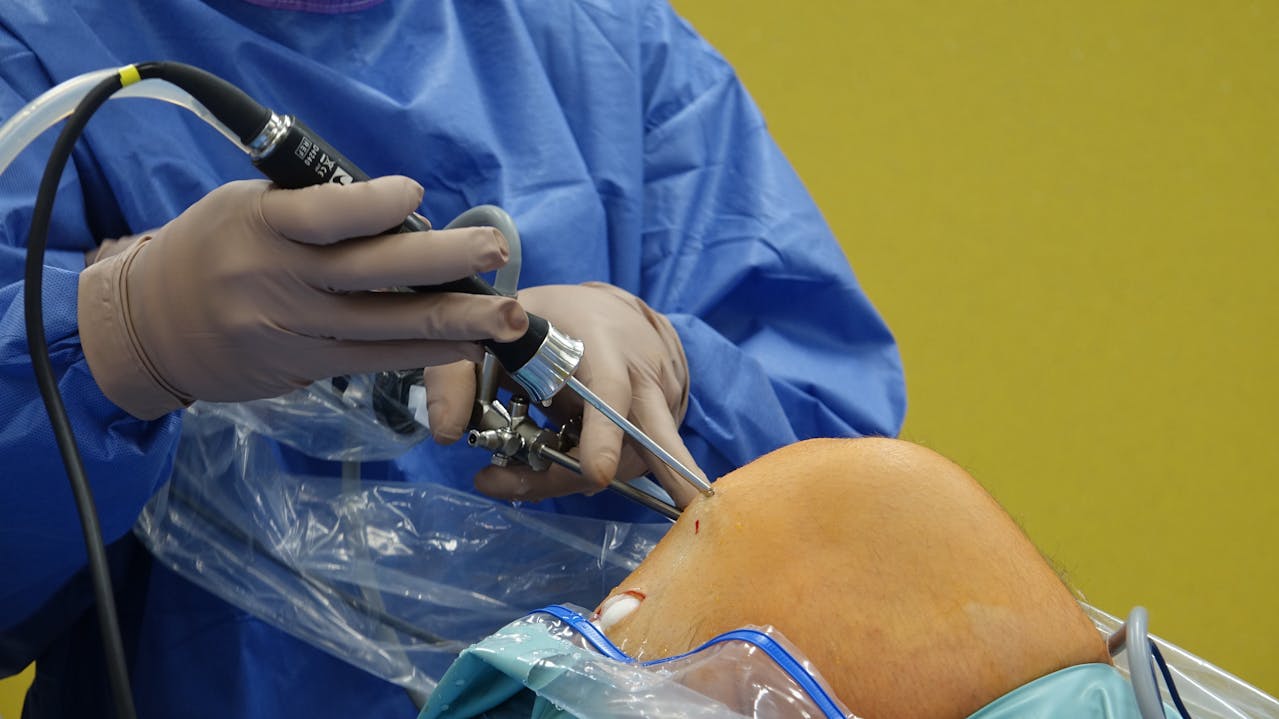
Orthopedic doctors focus on the musculoskeletal system, treating conditions like fractures, sports injuries, and joint disorders. This field combines diagnostic challenges with surgical interventions to restore mobility. With numerous subspecialties, orthopedics is ideal for those interested in biomechanics, surgery, and improving patients' physical function and quality of life.
Cardiology
Cardiologists diagnose and treat heart conditions using advanced tools like echocardiograms and catheterization. This field requires strong analytical skills and an interest in cardiovascular health. Cardiologists manage chronic diseases and perform life-saving interventions, balancing long-term patient care with high-stakes procedures that prevent heart attacks and other serious events.
What hands-on exposure reveals that reading cannot
A specialty on paper is rarely the specialty you experience in the room. Reading about a procedure gives you no feel for how quickly decisions actually happen, and almost every specialty turns out to need both technical skill and genuine connection with people, not one or the other. In our programs, surgery is the field students reconsider most after a week, in both directions. Some arrive set on it and realize they miss the ongoing patient relationships of a field like pediatrics or family medicine, while others discover they love the focus and precision that suturing and surgical planning demand and leave far more interested than when they walked in.
How can you explore medical specialties while still in high school?
Explore specialties through self-assessment, online research, shadowing physicians, volunteering in healthcare, and taking challenging science courses.
High school is the perfect time to start exploring medical specialties. During these formative years, you can discover which aspects of medicine align with your interests and begin building a foundation for your future career. Let's look at several effective ways to explore medical specialties while still in high school.
Self-Assessment
Before exploring specific medical specialties, take time to reflect on what naturally interests you. Pay attention to the subjects that engage you most in school:
- Do you enjoy problem-solving in mathematics?
- Are you fascinated by human anatomy in biology?
- Do chemical reactions in chemistry labs intrigue you?
- Are you drawn to understanding human behavior in psychology?
Your natural strengths provide clues about potential specialties. If you enjoy working with your hands and solving spatial problems, surgery might be appealing. If you value long-term patient relationships, family medicine could be a good fit. These early interests aren't commitments, they're starting points for exploration. Focus on identifying patterns in what excites you intellectually.
One clue we rely on at Outset is what energizes you after an intense session. Students who fit surgery tend to leave talking about the technical details and how they would make each step more precise, while students drawn to a field like pediatrics leave talking about the patient, the conversation, and the relationship. Neither is better, and noticing which one comes to you naturally is one of the clearest early signals of fit.
Researching Medical Specialties
Once you've identified some general interests, start researching specific medical specialties. The internet offers a wealth of resources:
- Visit the Association of American Medical Colleges (AAMC) website, which offers comprehensive information about medical careers and specialties.
- Watch interviews with doctors on platforms like YouTube or medical school channels.
- Explore medical school websites, which often feature information about different specialties.
- Read medical blogs written by physicians in various fields, and follow physicians on social media who share insights about their specialties.
When researching, pay attention to day-to-day responsibilities, required skills, training pathways, and lifestyle factors associated with different specialties. The AAMC also outlines the premed competencies essential for medical school, which provides a clear roadmap to build a strong academic and professional foundation.
Shadowing Doctors
Shadowing experiences provide invaluable real-world exposure to medical specialties. When you shadow a physician, you observe their daily activities, interactions with patients, and clinical decision-making process. To find shadowing opportunities, ask your family doctor if you can observe them for a day, reach out to local hospitals about shadowing programs for high school students, and contact physicians in your community or through family connections. Aim to shadow doctors in different specialties to compare experiences. Even a few hours of shadowing can provide significant insights into what a specialty actually entails beyond what you've read.
Volunteering in Healthcare Settings
Many hospitals and clinics offer volunteer opportunities specifically for high school students. These experiences allow you to observe healthcare from within while contributing meaningful service. The advantage of volunteering is exposure to multiple medical specialties within one setting. You'll interact with various healthcare professionals and observe different departments in action, which helps you understand how specialties interconnect within the healthcare system.
Taking Relevant High School Courses
Your high school curriculum can serve as a foundation for exploring medical interests. Focus on taking challenging courses in biology (especially AP Biology if available), chemistry, physics, mathematics, psychology, and anatomy and physiology if offered. These courses not only prepare you academically for pre-med studies but also help you identify which scientific disciplines most engage you. Some high schools also offer health science pathways that provide more direct exposure to medical concepts.
Building Your Experience for a Future Medical Career
Beyond classroom learning, hands-on experience can help solidify your interests and build a strong foundation for medical school applications. As you progress through high school, look for opportunities to gain practical skills and explore different aspects of healthcare.
Gaining Experience Through Medical Internships
If you're serious about pursuing medicine, internships can give you a firsthand look at how healthcare professionals work. Organizations like hospitals and research institutions sometimes offer specialized high school medical internships where students can work in laboratories or clinical settings.
Joining Pre-Med Clubs and Competitions
School-based activities can also provide excellent preparation for a medical career. Consider joining HOSA (Health Occupations Students of America), which offers competitions, leadership development, and networking opportunities for students interested in healthcare. You can also start a pre-med club at your high school to bring together students with similar interests, organize events, and explore medical careers.
Connecting with Mentors and Healthcare Professionals
Finding a mentor in the medical field can provide invaluable guidance as you explore different specialties. Research has shown that mentorship programs increase students' knowledge of and interest in medical careers while boosting confidence in pursuing pre-medical studies. Don't be afraid to reach out to doctors, nurses, or medical students in your community. Many healthcare professionals are willing to share their experiences and offer advice to aspiring students.
Exploring Alternative Career Paths in Medicine
While becoming a doctor might be your goal, it's worth exploring the breadth of healthcare careers. Fields like nursing, physician assistant, medical research, public health, or healthcare administration all make significant contributions to medicine. Understanding the full spectrum of healthcare careers will help you make a more informed decision about your future path.
Attending Summer Medical Programs
Specialized summer programs can provide intensive exposure to medicine in a short time frame. Programs like those offered by Outset combine hands-on laboratory work, clinical simulations, and mentorship from medical professionals, helping you develop essential skills for pre-meds. These summer programs allow you to explore multiple medical specialties before college. If you are torn between two, the most useful thing you can do is get real exposure to both rather than trying to decide on paper, since shadowing, hands-on programs, and conversations with physicians in each field surface things research alone never will. You can explore Outset Programs by specialty and campus.
Final Thoughts
Choosing a medical specialty doesn't have to happen right away. The path to becoming a physician is long, and your interests will likely evolve throughout your education. What matters now is exploration and exposure. Use your high school years as a time to learn about different specialties through volunteering, shadowing, and research opportunities.
Join clubs, attend medical lectures, or participate in summer programs to discover what resonates with you. Whether you're fascinated by surgery, pediatrics, psychiatry, or something else entirely, remember that your journey toward medicine begins with curiosity and hands-on experiences. The more you explore now, the clearer your path will become.
Frequently Asked Questions
Can you choose your specialty in medical school?
Yes. You choose your specialty during medical school, usually in the third and fourth years, through clinical rotations and the residency match. High school and college are only for exploring, so there is no pressure to decide early.
What is the most important factor in choosing a specialty?
Personal fit. Graduating medical students report that their personality, interests, and skills influence specialty choice more than income or lifestyle.
Which specialty do students most often change their mind about?
Surgery. In our programs, some students arrive set on it and realize after a week of hands-on work that they miss the ongoing patient relationships of a field like pediatrics or family medicine, while others discover they love the precision that suturing and surgical planning demand. It is a clear example of why hands-on exposure tells you more than deciding on paper.
What classes should I take in high school for a medical career?
Focus on biology, chemistry, physics, and math, and add anatomy, physiology, and psychology where offered. AP or honors versions help you build strong study habits for the road ahead.
How do I find a doctor to shadow in high school?
Start with your own family doctor, then contact local hospitals and clinics about shadowing programs for high school students. Family and community connections often open doors too.
Is a summer medical program worth it for choosing a specialty?
It can be. A program like Outset lets you spend a full week inside one specialty with hands-on practice and physician mentors, which is hard to find anywhere else.
What if I like healthcare but not becoming a doctor?
Many rewarding paths exist, including nursing, physician assistant work, research, public health, and healthcare administration. Exploring these helps you find the best fit.
Ready to explore medicine?
Outset is a one-week summer Program for students in grades 9 to 12 who want hands-on medical experience with practicing physicians. Start your application or explore Programs and campuses.
Related Outset Reading
- Types of Healthcare Careers to Consider in High School
- Medical Classes in High School: Best Classes for Future Doctors
- The 10 Best Summer 2026 Medical Programs for Teens
Sources
- American Board of Medical Specialties, specialties and subspecialties. https://www.abms.org/member-boards/specialty-subspecialty-certificates/
- AAMC, Exploring Medicine for High School Students. https://students-residents.aamc.org/resources-k-12-community/exploring-medicine-high-school-students
- AAMC, premed competencies. https://students-residents.aamc.org/real-stories-demonstrating-premed-competencies/premed-competencies-entering-medical-students
- Mentorship and interest in medical careers (Health Equity). https://www.liebertpub.com/doi/full/10.1089/heq.2020.0060

%20(1).jpg)


.jpg)


%202.jpg)