




.jpg)



Key Takeaways
- The right medical program gives you an early, hands-on look at hospitals, labs, and clinics, so you can find out whether medicine fits before college.
- The best programs teach by doing, building the critical thinking, problem-solving, and teamwork that real medicine demands.
- That experience also strengthens college and pre-med applications, showing the initiative admissions teams look for.
- When you compare programs, weigh location, cost, length, focus, how hands-on they are, reputation, and how you apply.
- Outset packs clinical simulations, labs, and physician mentorship into one focused week for students in grades 9 to 12.
Breaking into the medical field isn't easy, but getting a head start can make all the difference. If you're a high school student dreaming of a medical career, gaining early experience can help you determine if it's the right path. Medical programs allow you to explore different specialties, get hands-on practice, and build a strong foundation for the future.
These programs don't just help you learn, they also make your college and medical school applications stand out. Schools look for students who take initiative and show real passion for the field. In this article, we'll dive into the benefits of medical programs for high school students and share tips on choosing the right one.
What are the benefits of medical programs for high school students?
Medical programs offer early exposure to the field, hands-on skills, stronger college applications, mentorship, and a competitive edge for pre-med.
Early Exposure to the Medical Field
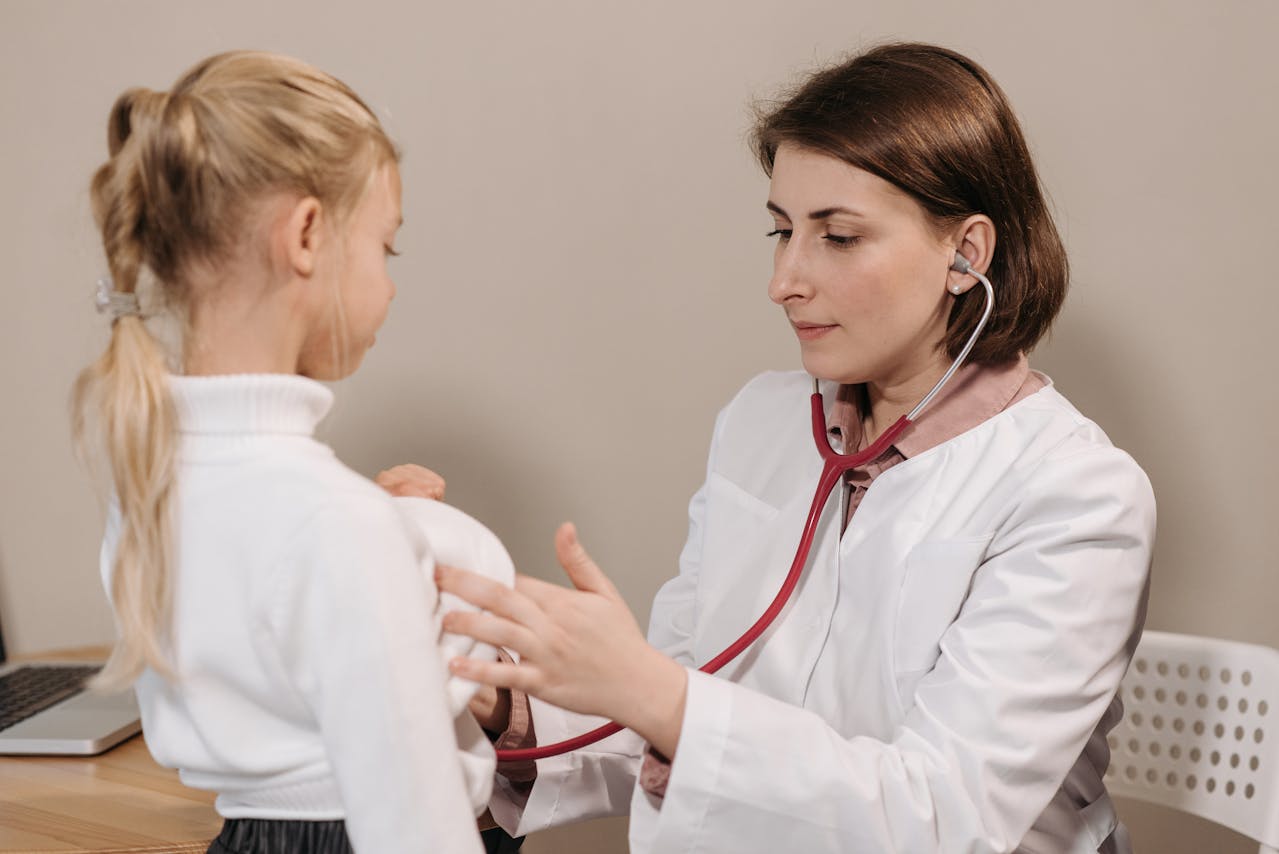
Medical programs for high school students are like your backstage pass to the world of medicine. You'll get firsthand experience in medical settings such as hospitals, labs, and clinics. Whether you're shadowing doctors or volunteering at a community health clinic, you'll see what healthcare professionals do each day. This early exposure helps you determine if a medical career is right for you.
Hands-On Learning and Practical Skills
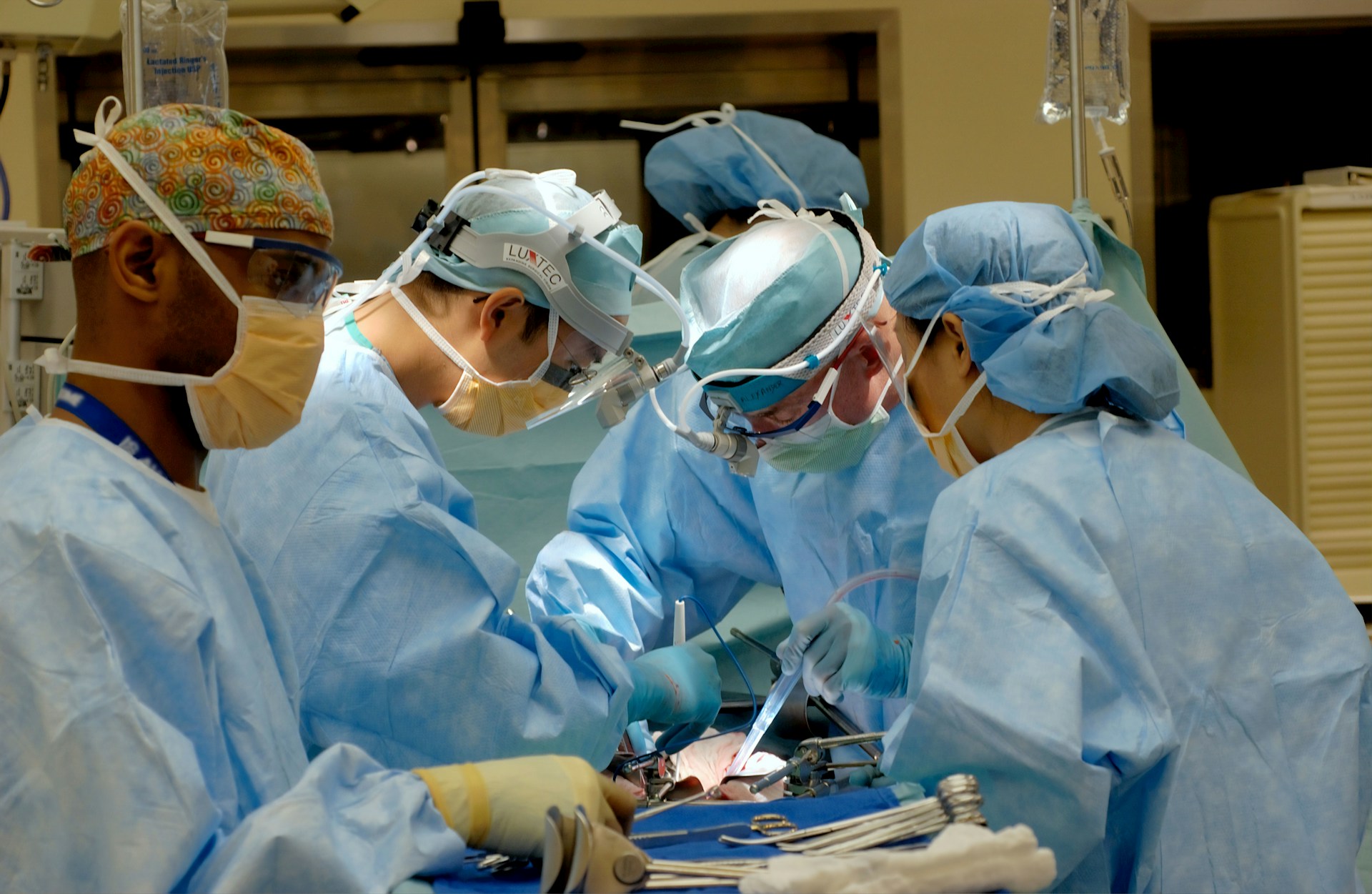
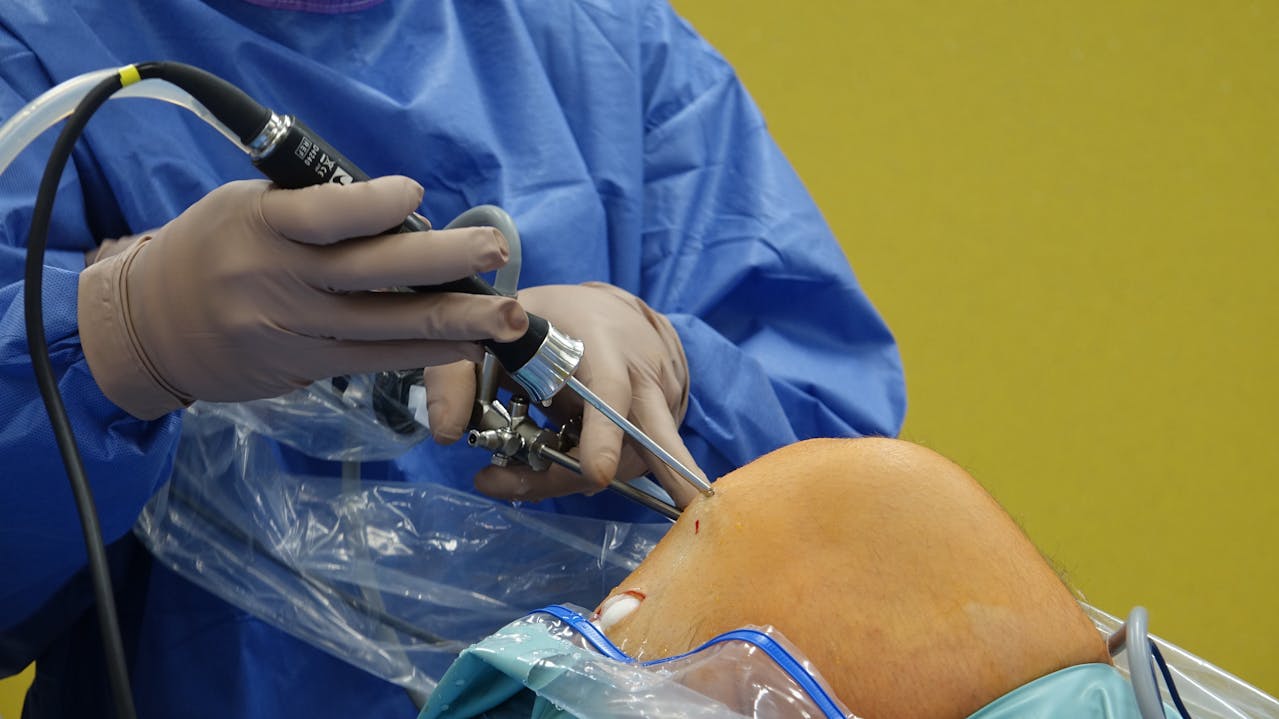
These programs aren't just about sitting in a classroom; they're about rolling up your sleeves and engaging in real activities. You might learn basic medical procedures, participate in patient care, or assist with lab research. This hands-on learning develops critical thinking, problem-solving, and teamwork skills essential in medicine. As the physicians who teach for us often put it, classroom science teaches you what the body does, while a strong program teaches you what it feels like to be the person making a decision about that body in real time, under pressure, with a team relying on you. That difference, between knowing information and knowing how you personally respond when it matters, is something no textbook can replicate.
Stronger College Applications
Getting into college, especially pre-med programs, is competitive. Participating in medical programs demonstrates initiative and a genuine passion for medicine. That said, the college advisors we consult are consistent on one point: admissions officers generally aren't weighing which specific program you attended, they're looking for whether you can speak specifically and genuinely about what you learned. A student who simply says "I did a pre-med program" doesn't stand out. A student who can describe a real moment, a simulation that changed how they understood a procedure, or a conversation with a physician that shifted their thinking, gives an officer something to remember. The program is the raw material, and what you do with it in your application is what actually counts.
Networking and Mentorship Opportunities
Connecting with doctors, medical professionals, and peers who share your interests is a significant benefit. Medical programs provide opportunities to build professional relationships that may lead to internships and future recommendations. Having mentors in the field can guide you on your journey and open doors you might not have found alone.
Competitive Edge for Pre-Med and Medical School
By immersing yourself in the medical field early, you'll be ahead of the game when you start your undergraduate studies. You'll have a foundation in fundamental medical concepts, making coursework more manageable. The experience you've gained can contribute to your medical school applications, giving you a competitive edge over other applicants.
What types of medical programs are available?
Common options include hospital internships and shadowing, pre-college summer programs, research and STEM camps, and volunteer opportunities.
Hospital Internships and Shadowing Programs
If you're eager to see what goes on inside a hospital, internships and shadowing programs are a great start. These opportunities allow you to observe doctors and healthcare professionals in real medical settings. You might assist with charting, support medical staff with various tasks, or simply watch and learn as professionals go about their day.
Pre-College Summer Medical Programs
Many universities offer summer programs specifically designed for high school students interested in medicine. These programs often include lectures from faculty, lab sessions, and hands-on clinical experiences. They're a fantastic way to get a taste of college-level coursework and explore different areas of medicine. For a ranked look at specific options, see our guide to the 10 best summer 2026 medical programs.
Research Programs and STEM Camps
If you're fascinated by the scientific side of healthcare, research programs and STEM camps might be right up your alley. These programs let you dive into biomedical research, participate in lab projects, and sometimes even contribute to scholarly work. You'll learn about cutting-edge developments and might even present your findings.
Volunteer Opportunities in Healthcare
Volunteering is another excellent way to gain experience. Whether it's at a hospital, clinic, or community health program, volunteering exposes you to the healthcare environment and allows you to give back to your community. It's also a way to develop soft skills like empathy and communication.
What can a high school student do to become a doctor?
Take rigorous science classes, keep your grades strong, volunteer and shadow physicians, join HOSA, and attend a hands-on medical program.
The AAMC recommends four things: prepare academically, pursue volunteer and extracurricular opportunities, explore programs for high school students, and build the skills doctors need. A summer medical program checks several of these boxes at once, which is part of why they are worth considering early.
Choosing the Right Medical Program: Things to Consider
Selecting the right medical program can feel overwhelming, but considering a few key factors can help you make the best choice. A well-chosen program can provide valuable experience, align with your interests, and enhance your college applications.
Consider Location, Cost, Duration, and Specialization
Think about where the program is located and whether attending is feasible. Some programs take place on college campuses, while others are based in hospitals or research facilities. Cost is another major factor, so consider not only tuition but also travel, accommodation, and material fees, and look into financial aid. The duration should fit your schedule, and the program's focus should match your interests, whether that is general exposure or a specialization like surgery or biomedical research.
Check the Level of Hands-On Experience
Programs vary in how much practical experience they provide. Some offer direct interaction with patients through hospital shadowing or volunteering, while others focus on laboratory work or classroom-based learning. If gaining hands-on skills is a priority, look for programs that emphasize clinical simulations, dissection labs, or patient care experience.
Assess the Program's Reputation and Credentials
Look for programs affiliated with reputable universities, hospitals, or medical organizations. Well-established programs often provide better networking opportunities, experienced instructors, and higher-quality training. Reading reviews from past participants or checking program rankings can also help you determine if it's a good fit. A simple test our team gives families is to watch for green flags and red flags. A green flag is a program that is specific about what students will actually do day to day, who is teaching, and how the curriculum is designed, rather than vague language about "exposure" or "experience." A red flag is a program that leans on the location or the university name but can't describe the actual curriculum, because a beautiful campus tells you nothing about whether the academic content is any good. Ask to see a sample daily schedule before you commit, and if a program can't produce one, that tells you something.
Look at Application Requirements and Post-Program Benefits
Some medical programs have competitive admissions and require essays, recommendation letters, or transcripts, while others are open to all students. Check deadlines and eligibility early. Some programs also offer benefits beyond the experience, such as completion certificates, college credit, or access to alumni networks, which can strengthen your application and keep you connected to mentors and peers.
What medical certifications can a high school student earn?
High schoolers can earn CPR, First Aid, and Basic Life Support certifications, and in some states a Certified Nursing Assistant credential.
These certifications are realistic to complete in high school and look great on applications. Full clinical licenses, like becoming an EMT or registered nurse, generally require you to be older or to complete college-level training first.
The Outset Summer Program
The Outset Summer Program is an immersive experience that offers high school students a chance to explore the medical field. Participants engage in hands-on learning, including clinical simulations, laboratory experiments, and mentorship sessions with medical professionals. The program emphasizes medicine's scientific and compassionate sides, helping students develop a well-rounded understanding of what it means to be a healthcare provider.
Beyond the hands-on activities, the Outset Summer Program fosters a community of like-minded peers. Students collaborate on projects, discuss current medical issues, and build networks that last beyond the summer. Outset has also moved to a multi-year model, so a student can start as early as 9th grade and return in a later summer to explore a different campus, track, or specialty that builds on what they learned the first time. Starting early gives you more time to explore and more years to build a layered pre-med foundation instead of a single one-week snapshot. The skill our alumni mention carrying into college most often is suturing, the first time many of them do something with their hands that feels genuinely clinical, though just as many say what stuck was learning to walk into a room with a patient and lead with curiosity instead of nerves. You can explore Programs and campuses or start an application.
Final Thoughts
Participating in medical programs as a high school student offers many opportunities. From gaining early exposure and developing practical skills to strengthening your college applications and building a professional network, these programs can significantly jumpstart your medical career. If you're considering a career in medicine, don't hesitate to explore these programs. Taking advantage of these opportunities now can lead to long-term success in the medical field.
Frequently Asked Questions
What can I do in high school to become a doctor?
Take rigorous science and math classes, keep your grades strong, volunteer and shadow physicians, join HOSA or a pre-med club, and attend a hands-on medical program. The AAMC recommends preparing academically, gaining experience, exploring programs, and building the skills doctors need.
What medical certifications can a high school student get?
Common options include CPR, First Aid, and Basic Life Support, and in some states a Certified Nursing Assistant credential. These are realistic in high school and strengthen applications.
Can a 16-year-old go to medical school?
No. Medical school requires a bachelor's degree first, so it typically begins around age 22. A few accelerated BS/MD programs admit students from high school, but you still complete undergraduate work before medical school.
Do medical programs help with college admissions?
Yes. They show initiative and give you real experiences to write and talk about in applications.
How long do medical programs last?
Some run a weekend and others several weeks. Outset runs for one week, and because it now uses a multi-year model, students can return in later summers to explore a different campus, track, or specialty.
Does starting a medical program in 9th grade make a difference?
It can. Starting earlier gives you more runway to use what you learn. A 9th grader who explores a specialty and realizes it is not for them has three more years to explore something else, while a student who waits until junior year has far less room to course correct.
How much do high school medical programs cost?
Costs vary widely. Outset costs $2,950 with financial aid available, while other programs range from free to more than $11,000.
Do I need experience to join a medical program?
Usually not. Many programs welcome beginners, though some competitive ones, like Outset, use an application and references.
Ready to explore medicine?
Outset is a one-week summer Program for students in grades 9 to 12 who want hands-on medical experience with practicing physicians. Start your application or explore Programs and campuses.
Related Outset Reading
- The 10 Best Summer 2026 Medical Programs for Teens
- How to Choose a Medical Specialty in High School
- Medical Classes in High School: Best Classes for Future Doctors
Sources
- AAMC, Four Things a High School Student Can Do to Prepare for Medical School. https://students-residents.aamc.org/resources-k-12-students/four-things-high-school-student-can-do-prepare-medical-school
- AAMC, Explore Medicine for High School Students. https://students-residents.aamc.org/resources-k-12-community/explore-medicine-high-school-students
- U.S. Bureau of Labor Statistics, Healthcare Occupations. https://www.bls.gov/ooh/healthcare/


.jpg)


%202.jpg)